
Writer/director Joachim Trier made one of my favorite films of 2022, with The Worst Person in the World, a deeply empathetic and surprisingly funny character study about a young woman who’s trying to figure out her life. His latest film Sentimental Value finds him once again collaborating with his star Renate Reinsve, an actress who has continuously impressed me in each performance I’ve seen from her. I’d heard about all kinds of hype surrounding Sentimental Value, after the film premiered back in May at this year’s Cannes Film Festival, but I’d tried not to learn too much about the film. This is largely due to the fact I always have a better experience when I come into a movie blind, and also due to the fact that that’s how I experienced The Worst Person in the World, and that film absolutely blew me away. And, well, that happened again.
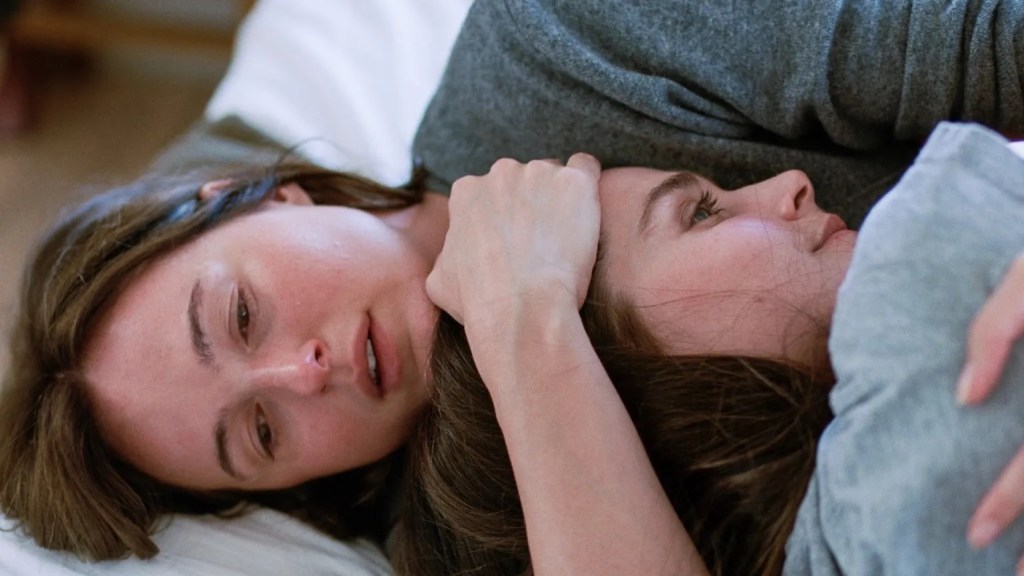
Gustav Borg (Stellan Skarsgård) is a celebrated filmmaker and the estranged father of Nora (Reinsve) and Agnes (Inga Ibsdotter Lilleaas). Gustav enlists the help of Nora, a stage actress, to star in a film he’s trying to get made about an event she finds to be too close to home. After Nora declines, Gustav hires American actress Rachel (Elle Fanning) to play this role, with Nora distancing herself from the project. Over the course of this production, old wounds are opened and long buried resentments and internalized anger must be confronted.

There’s such an empathy and compassion present in Joachim Trier’s films, and it’s evident he knows exactly who the characters are and what their journeys entail. This is a story about people in complicated relationships who are really trying to do the right things, but messy emotions keep getting in the way, and there’s something so universally human about that. This is also a film about the creative process and how creative people will use their art to work through their trauma. And some of my favorite films are about this kind of process, and Sentimental Value has the potential to be one of those films I revisit often and discover new elements that enhance the experience, in a similar way to how I feel about The Worst Person in the World.
Renate Reinsve gave an Oscar worthy performance in that 2022 film, and she’s somehow even better here. The prickly relationship between Nora and her father is so emotionally detailed and so beautifully observed, and there couldn’t be two performers better suited to this material than Skarsgård and Reinsve. The long held resentment Nora carries for her father comes from a very real and relatable angle, and Reinsve is playing this perfectly. And Skarsgård’s character is thinking a lot about legacy and what his life has meant – the mistakes he’s made and the implications of them. And one thing I love about Trier’s films, and especially this one, is that there is no good guy/bad guy dynamic. Everyone here is behaving like recognizable human beings and that groundedness makes these characters compelling to follow.
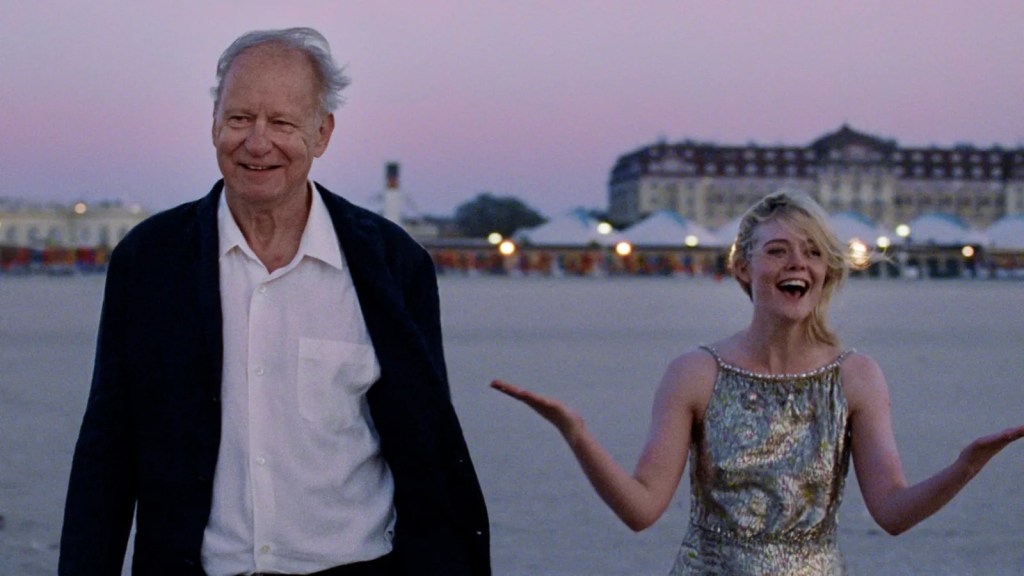
And as wonderful as both Reinsve and Skarsgård are, their brilliance doesn’t come as a surprise. It’s Inga Ibsdotter Lilleaas who really stood out here. Lilleaas is a Norwegian actress who I hadn’t seen in anything previously, and she’s playing Agnes, Nora’s sister. In another kind of movie from another kind of filmmaker, this character could register as almost nothing. But instead, Lilleaas embodies her with a vast and detailed internal life, and this character is not short-changed at all like she might be in an American film. And strangely enough, Elle Fanning delivers one of the film’s best performances as the American actress who comes into Gustav’s project after Nora has declined it. Fanning is always great, no question, but it would be easy for this script to paint her as silly or as the dumb American, but her character is awarded the same empathy as everyone else. She’s not some kind of flaky coastal flibbertigibbet, she’s a professional who’s serious about the work she’s doing. And the more attached she becomes to these people, the more that’s emotionally at stake for her, and Fanning plays this remarkably well.
The performances in the film can only be as good as the script around them, and Trier, once again co-writing alongside Eskil Vogt, has such emotional generosity for its characters. The script is obviously more character driven than plot driven, but the details that emerge about these people as we make our way through the story are more than enough to make this film gripping. I can’t say a lot stood out to me about the cinematography or score or production design. There’s no instantly iconic Worst Person in the World ‘the world freezes’ sequence, but considering everything else this wonderful film is doing, it hardly matters.
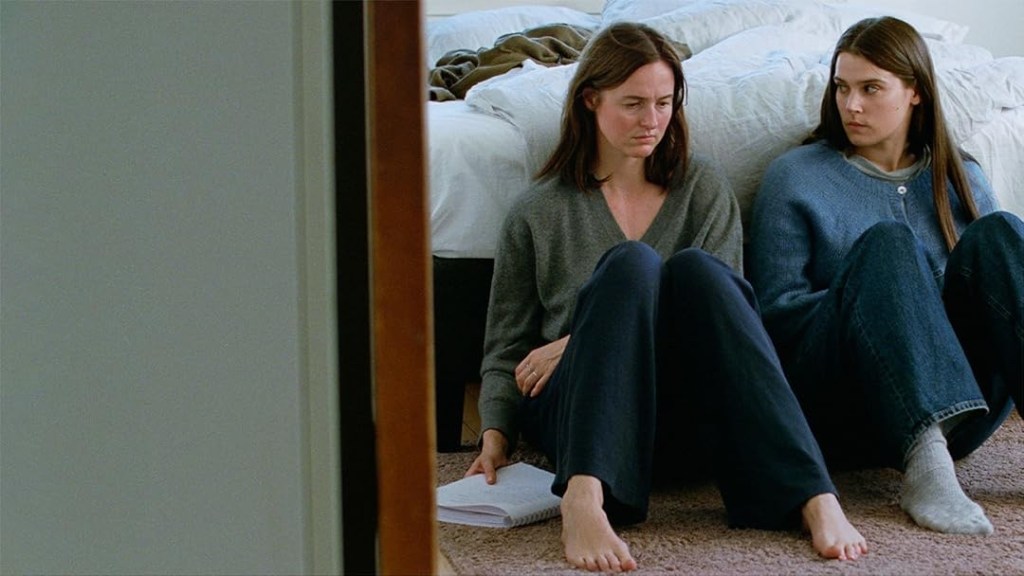
It’s clear at this point that Joachim Trier is very much for me, and this continues to be the case. He’s made another film that is all but guaranteed to be on my end-of-year best-of list, and it makes me even more excited to see what he might do next. Sentimental Value, despite what the title might suggest, is a clear-headed and (yes) unsentimental story about regret, the decisions we make and the healing power of art. I look forward to watching this film again and dissecting all of the big and small emotional beats the story hits, and all of the rich character detail. Sentimental Value is packaged to look like Oscar season homework, but this is one of the most emotionally perceptive and honest films I’ve seen all year. But it’s one you should probably see before Oscar night.

