

Writer/director Mike Flanagan is one of our best and most reliable horror filmmakers working today. Between films like Hush and Oculus, and his television projects like The Haunting of Hill House and The Fall of the House of Usher, he has become well-regarded in genre circles, but his latest film presents a challenge for the filmmaker. The Life of Chuck, his third Stephen King adaptation, following Gerald’s Game and Doctor Sleep, is a straightforward drama. There are some genre elements here – a little horror, a little sci-fi – but the overall tone Flanagan is trying to achieve here is nothing like he’s ever done. It’s earnest and sentimental and wants to be this grand statement about the way we live our lives. And while that challenge would be daunting for most filmmakers, Flanagan has great control of what he wants to say here and does it beautifully.
The Life of Chuck consists of three connected stories, told in reverse order. We meet young, orphaned Charles Krantz (played at various ages by Jacob Tremblay, Benjamin Pajak and Cody Flanagan) who lives with his grandparents Sarah (Mia Sara) and Albie (Mark Hamill). We follow a coming-of-age-ish narrative about his upbringing, how his grandmother taught him a love of dance, but his grandfather tells him he should pay attention in math because the world needs accountants. We meet Chuck as an adult (Tom Hiddleston) in the second part and in the third (which we see first), we meet Marty (Chiwetel Ejiofor), a teacher who attempts to make things right with his ex-wife (Karen Gillan) before the impending apocalypse happens.
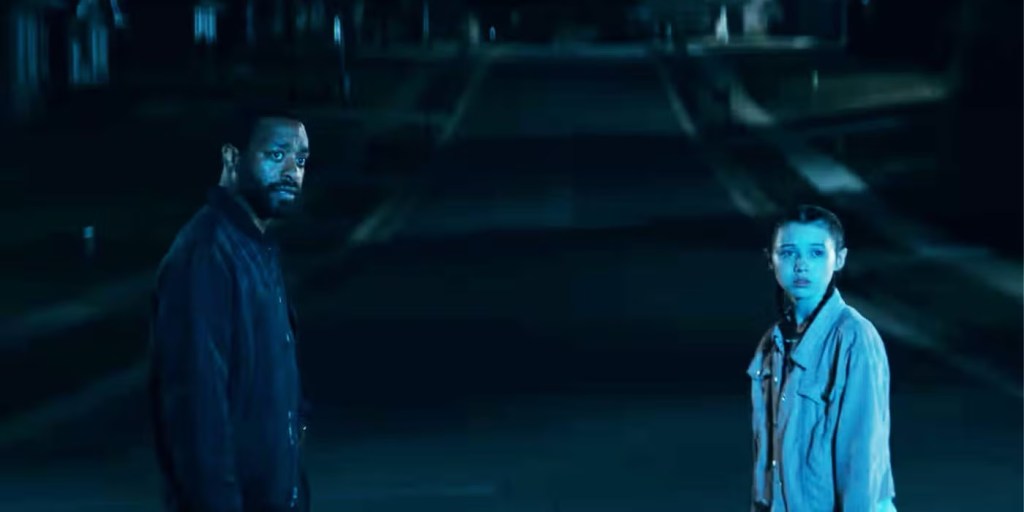
The Life of Chuck is ambitious in scope but very intimate in execution. Flanagan is observing some heavy, existential themes here, but ultimately this is a character-driven story. Patience is rewarded here because it’s a while before all of the pieces begin to fit together, but once they do, the end result is a beautiful, thoughtful film about the importance an everyday life can hold, and even in the most mundane backdrop, there can be moments of profound wonder. And in the hands of a lesser filmmaker, this could come across as really maudlin or saccharine, but Flanagan manages to make this all feel so lovely and makes the emotional impact feel earned.
Actor Tom Hiddleston is being showcased in most of the film’s advertising materials, and going into this film you would expect him to be our leading actor here. But he’s actually not in very much of this film. The first part of the story (ugh…”third”) showcases characters Chuck has never met, characters who keep seeing signs and billboards that say “39 Great Years – Thanks Chuck!” and it’s unclear to the characters and the viewer why this is happening, considering the literal apocalypse is happening at the same time. But once you get to the end of this story and you spend some more time ruminating the themes Flanagan is exploring here death, loss, self worth, fear and ultimately hope – the more you realize how well of these fit together on a more grand level.
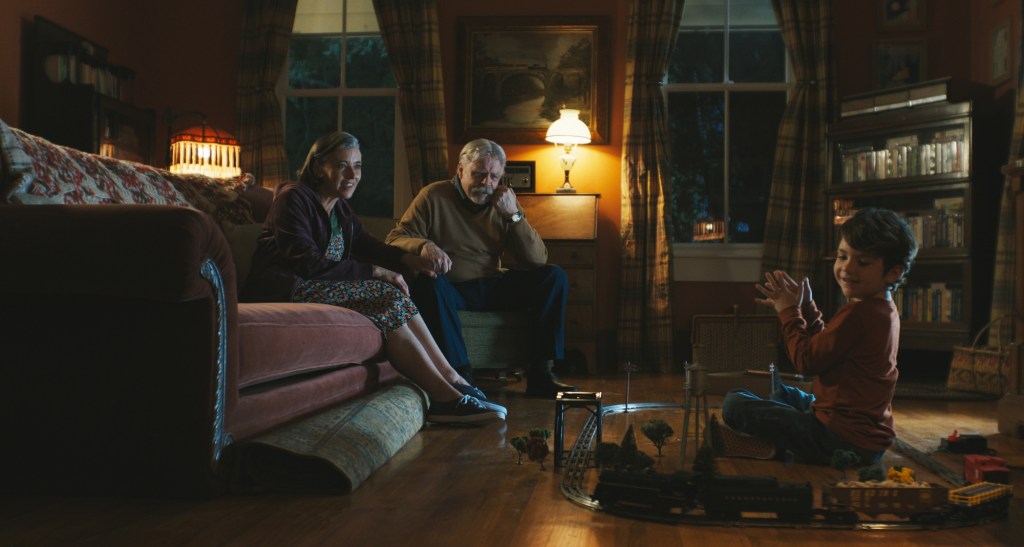
The Life of Chuck also gets significant mileage out of its ensemble cast, giving many of the people here some really lovely, poignant moments to shine. Chiwetel Ejiofor and Karen Gillan headline the first/third story, and they’re terrific, but we also get some very nice moments with actors like Matthew Lillard and Carl Lumbly. In the second part, we have some lovely moments with Annalise Basso and Taylor Gordon, and in the third, we have Mia Sara, who I have not seen in anything in years, and Mark Hamill, both of whom get some very memorable monologues. I don’t want to spoil too much about the individual moments these actors have, because the pleasure of this film is seeing those moments unfold. Sometimes it can feel heavy-handed but there is a lot here to take away with you after you leave the theater.
I also enjoyed the way the tone and structure of this film allow allow Flanagan to play with the genre trappings he’s used to, while tackling themes and emotions that are totally different from what he’s done before. As this is his third collaboration with Stephen King, the two have established a very successful creative partnership and I fully believe that Flanagan should be making all of the Stephen King adaptations from now on. Because not only does he nail the pacing, tone and dread of the horror genre, but the way he can take one of King’s non-horror stories and make something this moving and genuinely sweet without slipping into mawkish sentimentality, is really quite impressive.

The thesis statement of The Life of Chuck is ambitious and borderline impossible. This is a film that wants to be not about the meaning of life, but the meaning of a life, how what’s insignificant or small can really change us as people. And I’m almost wincing writing this because it just sounds so cheesy and so disingenuous, and I can completely understand anyone who wasn’t moved by this. But ultimately it really worked for me. I even gave myself a few days after seeing the film before writing this, because I wanted to sit with what I had seen for awhile, and in many ways I’m still sitting with it. I’m not sure if I’m fully grasped everything Flanagan and King are trying to say with this film, or if all of it worked for me, but I do feel like I’ll revisit the film one day and there’s a chance it will mean more or less to me. After one viewing, I found The Life of Chuck to be a powerful, haunting and rewarding journey that came closer to achieving its goals than many other films like it.
 Salt Lake Film Review